Rwanda: A Handwritten Script Font for Modern Design Projects
When selecting a typeface for a creative project, the choice often comes down to balancing personality with legibility, trend with timelessness, and distinctiveness with versatility. Rwanda, a handwritten script font described as both bubbly and variable, presents itself as a candidate for designers seeking a crafted, expressive look. This article provides a balanced evaluation of Rwanda to help you determine whether it aligns with your specific design goals.
What Is Rwanda?
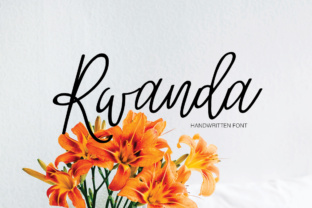
Rwanda is a handwritten script font that emphasizes a handcrafted aesthetic. Unlike mechanical or geometric scripts, it carries the irregularity and warmth of manual lettering. The font is characterized as bubbly — meaning its letterforms tend to be rounded, soft, and playful — and variable, suggesting it includes alternate glyphs, ligatures, or stylistic sets that give users flexibility in how the type appears in context. This handwritten quality makes it suitable for projects where a human, approachable feel is desired.
Rwanda belongs to a category of script fonts that aim to bridge the gap between formal calligraphy and casual handwriting. It is not a rigid, formal script; instead, it leans toward a contemporary, informal style that fits well with modern branding, social media graphics, packaging, and invitation design. Understanding where it sits on the spectrum from polished to raw is the first step in evaluating its fit for your work.
Key Characteristics and Visual Style
To evaluate Rwanda effectively, it helps to break down its visual attributes:
- Rounded letterforms: The bubbly nature means curves dominate, creating a friendly and inviting appearance.
- Variable glyphs: The font likely includes multiple versions of certain letters, allowing you to avoid repetitive patterns and achieve a more natural, hand-drawn look.
- Moderate stroke contrast: Unlike high-contrast scripts where thick and thin strokes are dramatic, Rwanda appears to maintain a more even stroke weight, contributing to its casual feel.
- Connected or semi-connected flow: Many script fonts connect letters; Rwanda likely offers a flowing rhythm that mimics real handwriting without being overly ornate.
These characteristics make Rwanda distinct from both rigid sans-serifs and elaborate calligraphy scripts. It occupies a middle ground that is expressive but not overwhelming, making it a candidate for projects that need warmth without sacrificing readability.
Why Designers Are Taking Notice of Rwanda
Interest in Rwanda stems from several practical and aesthetic considerations:
- Trend alignment: Handwritten fonts have maintained steady popularity in branding and digital design because they convey authenticity. Rwanda taps into this preference for human-centered design.
- Versatility through variability: The variable nature means it can be adapted for different contexts — from a single word in a logo to short phrases in headers — without feeling monotonous.
- Approachable aesthetic: The bubbly style works well for audiences or brands that want to appear friendly, youthful, or creative. It avoids the formality that might alienate certain demographics.
These factors explain why a designer might add Rwanda to their shortlist. However, understanding the benefits also requires examining where the font may present limitations.
Practical Benefits of Using Rwanda
When considering Rwanda for a project, several practical advantages emerge:
- Differentiation in crowded visual spaces: In a landscape dominated by clean sans-serifs and geometric fonts, a handwritten script like Rwanda can help a design stand out. It adds a layer of texture and personality that machine-made fonts often lack.
- Efficiency in achieving a handcrafted look: Instead of commissioning custom hand lettering, which is time-consuming and expensive, Rwanda offers a ready-made alternative that still feels bespoke, especially when you leverage its variable glyphs.
- Suitability for short-form content: Script fonts typically perform best in headlines, titles, logos, and short text blocks. Rwanda is well-suited for these applications where its personality can shine without fatiguing the reader.
- Broad application across media: Because it is a digital font, Rwanda can be used in print, web, and social media consistently, helping maintain brand cohesion across channels.
These benefits make Rwanda appealing, but they also come with conditions that require careful thought.
Important Considerations and Potential Tradeoffs
No typeface is universally optimal, and Rwanda has characteristics that may not suit every project. Being aware of these tradeoffs helps you make an informed decision.
Legibility at Small Sizes
Handwritten script fonts, especially those with bubbly or rounded forms, can become difficult to read when scaled down for body text or small labels. Rwanda is best reserved for display purposes — headings, logos, short quotes — rather than long passages or small footer text. If your project requires extensive readability at small sizes, a clean sans-serif or serif may be a better choice.
Context and Audience Fit
The bubbly, approachable style of Rwanda may not align with brands or projects that require authority, seriousness, or minimalism. For example, a legal firm, financial institution, or medical publication would likely find Rwanda incongruent with their tone. Similarly, audiences expecting a sophisticated or luxurious aesthetic may perceive a bubbly script as too casual.
Pairing Challenges
Script fonts often require careful pairing with complementary typefaces to avoid visual conflict. Rwanda's rounded forms may clash with angular or highly geometric fonts. You may need to invest time in finding a clean sans-serif or neutral serif that balances the font without competing. This pairing process adds complexity to the design workflow.
Licensing and Usage Rights
As with any font, it is essential to review the licensing terms for Rwanda. Some handwritten fonts are free for personal use but require a paid license for commercial applications. Confirming usage rights early prevents legal or budgetary surprises later in a project.
Trend Dependency
Rwanda's bubbly, handwritten style is currently on trend, but trends evolve. If you are designing for a project with a long lifespan, consider whether this aesthetic will age gracefully. For short-term campaigns or social media content, trend alignment is less of a concern. For long-term branding, a more neutral script might offer greater longevity.
Where Rwanda Shines: Ideal Use Cases
Rwanda is a strong fit in several specific scenarios:
- Creative and lifestyle branding: Businesses in the creative arts, wellness, fashion, or food and beverage sectors often benefit from a friendly, handcrafted look. Rwanda can help convey a sense of craftsmanship and personal touch.
- Social media graphics and digital content: Platforms like Instagram, Pinterest, and TikTok reward visual distinctiveness. Rwanda's bubbly style can make quote graphics, announcements, and promotional posts more engaging.
- Event invitations and stationery: Weddings, parties, and community events frequently use script fonts to create a warm, inviting tone. Rwanda's variable glyphs allow for a custom feel without the cost of hand lettering.
- Product packaging for small batches or artisanal goods: Handwritten fonts align well with products that emphasize handmade, small-batch, or organic qualities. Rwanda can reinforce that narrative on labels and tags.
- Short headlines and hero text on websites: Used sparingly and at larger sizes, Rwanda can draw attention and set a visual tone without compromising overall readability.
In these contexts, the font's strengths are maximized while its limitations are minimized.
When Alternatives May Be Worth Considering
There are situations where Rwanda may not be the optimal choice, and exploring alternatives is prudent:
- Long-form reading environments: For blog posts, articles, or reports, a highly legible serif or sans-serif font is almost always preferable. Script fonts fatigue readers quickly in extended text.
- Corporate or institutional branding: If the brand voice needs to convey authority, professionalism, or trustworthiness, a script font like Rwanda may undermine that message. A neutral or traditional typeface would be more appropriate.
- Multilingual or complex typography: Some handwritten fonts have limited character sets or struggle with certain diacritics and special characters. If your project requires extensive language support, verify Rwanda's coverage or consider a more comprehensive typeface.
- Minimalist or modern design systems: A clean, geometric aesthetic is often incompatible with the organic, bubbly nature of Rwanda. In such systems, a non-script font with subtle personality — such as a rounded sans-serif — may offer a better compromise.
- Budget-constrained projects: If the commercial license for Rwanda exceeds your budget, there are many high-quality free or low-cost handwritten scripts available. However, be cautious about licensing terms and quality tradeoffs.
Evaluating these alternatives against your specific requirements will help you decide whether Rwanda is the right tool for the job or whether another direction would serve you better.
How to Decide If Rwanda Aligns with Your Goals
Making a final decision about Rwanda involves a structured assessment of your project's needs. Here is a practical framework to guide your choice:
- Define your project's tone: Write down three to five adjectives that describe the desired brand or design voice. If "friendly," "playful," "creative," or "handcrafted" appear, Rwanda may be a strong fit. If "serious," "minimal," "prestigious," or "technical" dominate, consider alternatives.
- Identify the primary usage: Will the font appear mainly in large headlines and short phrases, or does it need to function in body text and small sizes? Rwanda suits the former far better than the latter.
- Assess your audience's expectations: Consider who will see the design and how they might perceive a bubbly script. If your audience values creativity and approachability, Rwanda could resonate. If they expect formality or sophistication, it may not.
- Test in context: Before committing, download Rwanda and apply it to sample layouts that mirror your actual project. Pay attention to legibility, pairing options, and visual impact. This hands-on testing is more reliable than relying on previews alone.
- Consider the lifespan: For short-term campaigns, trend alignment is a minor concern. For long-term brand assets, evaluate whether the font will still feel appropriate in three to five years.
By working through these steps, you can make a decision that is grounded in your project's specific requirements rather than general appeal.
Final Thoughts on Evaluating Rwanda
Rwanda is a handwritten script font that offers a distinct blend of bubbly, approachable character and variable glyph flexibility. It is well-suited for creative, digital, and short-form applications where warmth and personality are priorities. However, it also presents tradeoffs in legibility at small sizes, contextual fit, and trend dependency that warrant careful consideration.
The key to using Rwanda effectively is understanding where its strengths align with your needs and where its limitations might require a different approach. By evaluating your project's tone, audience, usage context, and lifespan, you can determine whether Rwanda is the right typeface to bring your vision to life — or whether an alternative might serve you better. Ultimately, the best font choice is one that supports your message without distracting from it, and Rwanda can do that well in the right hands and the right context.